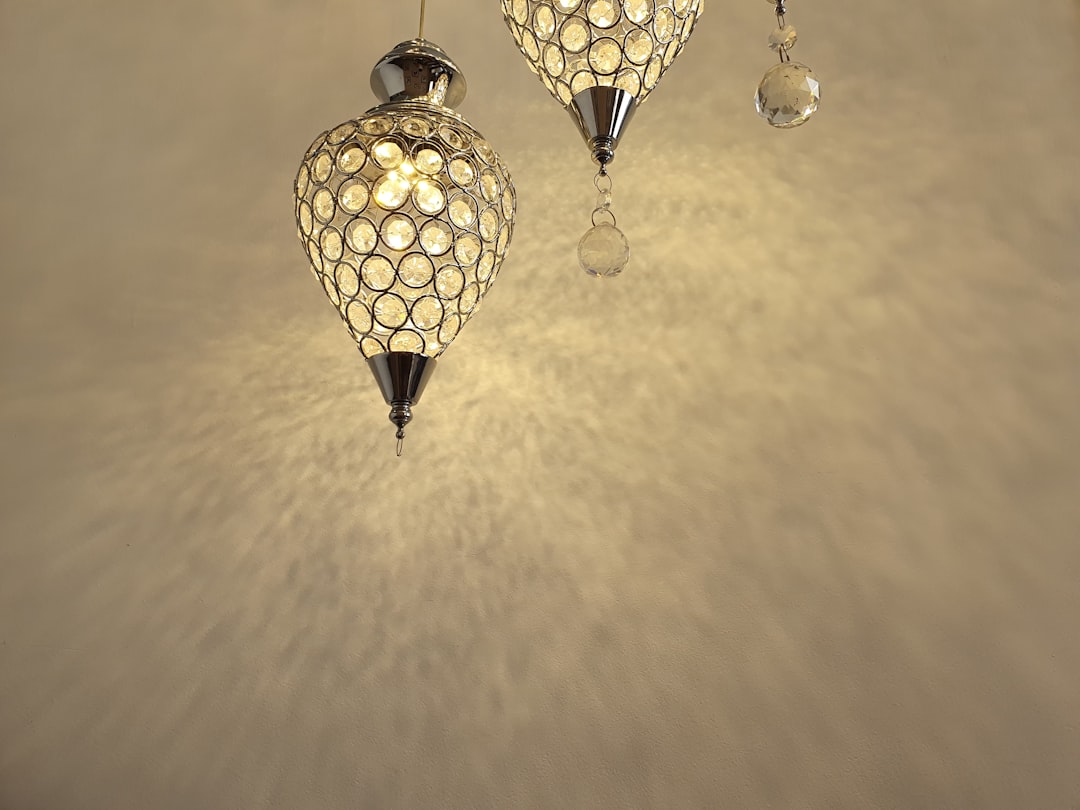
Nordic fabric chandeliers combine practical lighting with decorative design elements, following Scandinavian design principles that emphasize simplicity, minimalism, and natural materials. These fixtures function as both light sources and visual focal points in residential and commercial interiors. The fabric construction provides diffused illumination while adding textural contrast to room environments.
Scandinavian design aesthetics have experienced increased adoption in contemporary interior design markets. Fabric chandeliers specifically appeal to consumers seeking softer lighting alternatives to traditional hard-surface fixtures. These chandeliers are commonly installed above dining tables, in living areas, and bedrooms, where they provide ambient lighting while serving as decorative elements that complement various interior design schemes.
History and Origins of Nordic Fabric Chandelier
The roots of Nordic design can be traced back to the early 20th century, when Scandinavian countries began to embrace modernism and functionalism in their architecture and interior design. This movement emphasized clean lines, simplicity, and the use of natural materials, which laid the groundwork for the development of iconic lighting fixtures, including the fabric chandelier. The post-World War II era saw a significant shift in design philosophy, as designers sought to create pieces that were not only beautiful but also practical and accessible to the masses.
The fabric chandelier specifically gained traction in the mid-20th century when designers like Hans J. Wegner and Arne Jacobsen began experimenting with new materials and forms. These pioneers recognized the potential of fabric as a medium for lighting design, leading to the creation of fixtures that combined elegance with functionality.
The use of textiles allowed for a softer diffusion of light, which was particularly appealing in the context of Scandinavian interiors that favored warmth and comfort. Over time, the Nordic fabric chandelier evolved into various styles and forms, reflecting the changing tastes and preferences of different generations.
Characteristics and Design Elements of Nordic Fabric Chandelier
Nordic fabric chandeliers are distinguished by several key characteristics that set them apart from traditional lighting fixtures. One of the most notable features is their emphasis on minimalism. These chandeliers often feature clean lines and simple geometric shapes that contribute to an uncluttered aesthetic.
The design typically avoids excessive ornamentation, allowing the beauty of the materials and craftsmanship to take center stage. This minimalist approach aligns with the broader principles of Scandinavian design, which prioritize functionality without sacrificing style. Another defining element is the use of soft, diffused light.
Unlike harsher lighting options that can create stark contrasts and shadows, fabric chandeliers emit a gentle glow that enhances the ambiance of a room. The fabric used in these fixtures often comes in various colors and textures, allowing for customization that can complement different interior styles. Additionally, many Nordic fabric chandeliers incorporate adjustable features, such as height or light intensity, providing versatility for various settings.
This adaptability makes them suitable for both casual and formal environments, further solidifying their place in contemporary design.
Materials Used in Nordic Fabric Chandelier
The choice of materials is crucial in defining the aesthetic and functional qualities of Nordic fabric chandeliers. Typically, these fixtures are constructed using a combination of metal frames and textile coverings. The metal components often include materials such as steel or aluminum, which provide structural integrity while maintaining a lightweight profile.
These metals are frequently finished in matte or brushed textures to enhance their modern appeal. The fabric used in Nordic chandeliers varies widely, with options ranging from cotton and linen to more luxurious materials like silk or velvet. Each type of fabric contributes distinct qualities to the chandelier’s overall appearance and light diffusion properties.
For instance, cotton offers durability and ease of maintenance, while silk can impart an elegant sheen that elevates the fixture’s sophistication. Additionally, many designers experiment with patterns and colors in their fabric choices, allowing for unique expressions that can either blend seamlessly into a room or serve as bold focal points.
How to Incorporate Nordic Fabric Chandelier in Interior Design
Incorporating a Nordic fabric chandelier into interior design requires thoughtful consideration of both placement and style compatibility. One effective approach is to use these chandeliers as statement pieces in key areas of a home. For example, hanging a large fabric chandelier above a dining table can create an inviting atmosphere for family gatherings or dinner parties.
The soft light emitted by the fixture enhances the dining experience while adding an element of visual interest to the space. In living rooms or bedrooms, smaller fabric chandeliers can be used to complement existing decor while providing functional lighting. When selecting a chandelier for these spaces, it is essential to consider the color palette and overall design theme.
A neutral-toned fabric chandelier can seamlessly integrate into a minimalist Scandinavian-inspired room, while a bold patterned option may serve as an eye-catching contrast in a more eclectic setting. Additionally, layering lighting sources—such as combining wall sconces or table lamps with a fabric chandelier—can create depth and enhance the overall ambiance.
Popular Nordic Fabric Chandelier Styles
The diversity of styles within the realm of Nordic fabric chandeliers allows homeowners to find options that resonate with their personal tastes and interior themes. One popular style is the drum chandelier, characterized by its cylindrical shape and often featuring a fabric shade that encircles the light source. This design is particularly effective at diffusing light evenly throughout a room while maintaining a sleek profile.
Another favored style is the pendant chandelier, which typically hangs from a single point on the ceiling and can vary significantly in size and shape. Pendant chandeliers made from fabric often incorporate unique silhouettes or artistic elements that make them stand out as focal points in any space. For instance, some designs may feature asymmetrical shapes or layered fabrics that add visual intrigue.
Additionally, there are more contemporary interpretations of traditional designs that blend vintage aesthetics with modern materials. These hybrid styles often incorporate elements such as geometric patterns or innovative lighting technologies while retaining the warmth associated with fabric chandeliers. This fusion allows for greater versatility in how these fixtures can be integrated into various design schemes.
Maintenance and Care of Nordic Fabric Chandelier
Maintaining a Nordic fabric chandelier involves regular cleaning and care to ensure its longevity and aesthetic appeal. Dust accumulation can dull the appearance of both the metal components and fabric shades; therefore, it is advisable to dust the fixture periodically using a soft cloth or duster. For more thorough cleaning, especially if there are stains on the fabric, it is essential to follow specific care instructions provided by the manufacturer.
In many cases, fabric shades can be gently spot-cleaned using mild soap and water solutions; however, it is crucial to test any cleaning method on an inconspicuous area first to avoid damage. Additionally, some chandeliers may have removable shades that can be taken down for more extensive cleaning or even laundering if they are machine washable. Regularly checking for loose connections or signs of wear on electrical components is also important for safety reasons.
Where to Find and Purchase Nordic Fabric Chandelier
Finding and purchasing a Nordic fabric chandelier can be an exciting endeavor given the variety available across different platforms. Many high-end furniture retailers specialize in Scandinavian design and offer curated selections of lighting fixtures that embody this aesthetic. Stores such as Muuto or Hay are known for their contemporary designs that reflect Nordic sensibilities.
Online marketplaces like Etsy also provide opportunities to discover unique handmade options from independent artisans who specialize in custom lighting solutions. This avenue allows buyers to find one-of-a-kind pieces that may not be available through traditional retail channels. Additionally, larger home improvement stores often carry a range of lighting options that include more affordable versions of popular designs.
For those seeking inspiration before making a purchase, visiting local showrooms or design exhibitions can provide valuable insights into current trends and styles within Nordic lighting design. Engaging with knowledgeable staff can also help clarify any questions regarding installation or maintenance specific to different models.

Leave a Reply